
Types of 3D Metal Printing


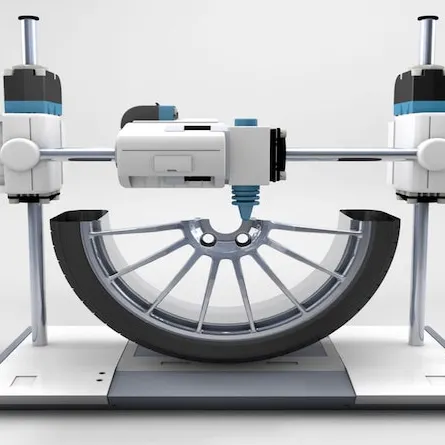
A 3D printer builds physical objects layer by layer from a digital file. Additive manufacturing supplements rather than broadly replaces subtractive manufacturing. Metal 3D printing deposits, fuses, or binds metallic materials to form dense, functional parts, separating itself from polymer additive manufacturing through higher energy requirements and post-processing demands. Some polymer AM processes melt filaments, but polymer AM also includes vat photopolymerization, powder bed fusion, material jetting, and other methods. Metal processes require lasers, electron beams, or binders to achieve full material density. The field encompasses multiple technologies, each using distinct energy sources, from high-powered lasers to ultrasonic vibration, and different material formats, including powder, wire, sheet, and filament. Choosing among the types of 3D metal printing depends on the application's mechanical requirements, budget, and production volume. Engineers and manufacturers rely on 3D metal printing to produce aerospace components, medical implants, and industrial tooling with geometries that conventional machining cannot achieve.
1. Powder Bed Fusion (PBF)
Powder bed fusion spreads a thin layer of powder across a build area (powder bed), which includes the build platform and surrounding feed regions. A laser or electron beam selectively fuses the powder according to a digital cross-section. The process repeats layer by layer until the full part emerges from the unfused powder bed. PBF is used for turbine components such as brackets, vanes, and some prototype blades, but large, production turbine blades are typically not made via PBF. Medical device manufacturers rely on PBF for patient-specific titanium implants, while defense contractors use it for lightweight structural components. The precision and material range of powder bed fusion (PBF) make it a foundational process in aerospace, medical, and defense manufacturing programs.
2. Directed Energy Deposition (DED)
Directed energy deposition focuses a laser or electron beam onto a substrate while simultaneously feeding metal powder or wire into the melt pool, building material directly onto a surface. The process works on flat platforms and existing components, giving it a unique repair and cladding capability absent in bed-based systems. DED excels at producing large structural parts, turbine blade repairs, and aerospace frame sections that exceed the build volume of powder bed machines. The oil and gas sector uses DED to restore worn drill components, and the aviation industry applies it to refurbish high-value engine parts. Direct energy deposition can handle larger parts and repairs than most powder bed systems, but some large-format powder bed machines exist and can accommodate sizable parts within their chambers.
3. Binder Jetting
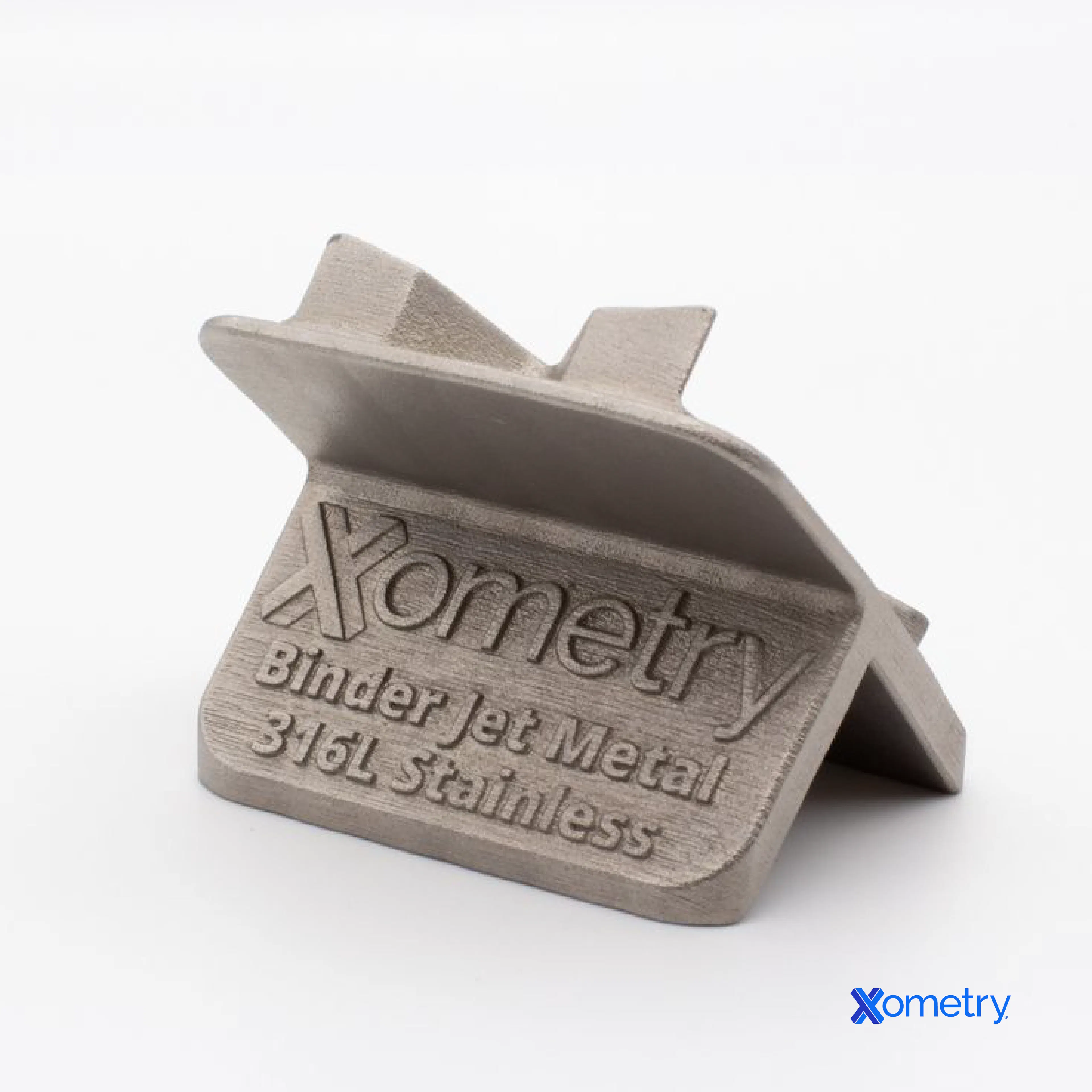
Binder jetting deposits a liquid binding agent onto a bed of metal powder, selectively adhering particles layer by layer without applying heat during printing. The green part then undergoes sintering in a furnace to burn off the binder and densify the metal. The absence of a high-energy heat source during printing reduces thermal stress and allows faster build speeds compared to laser-based methods. Automotive manufacturers use Binder jetting for high-volume production of transmission components, while consumer electronics companies apply it to small structural housings. Binder jetting is a strong candidate for high-throughput, cost-efficient production, but it is not universally the leading process; suitability depends on material, tolerances, density requirements, and post-processing constraints.
4. Metal Filament Extrusion (FFF, FDM)
Metal filament extrusion feeds a metal-loaded polymer filament through a heated nozzle, depositing material layer by layer in a process similar to standard plastic FDM printing. After printing, the part undergoes debinding and sintering to remove the polymer carrier and consolidate the metal. The approach lowers the barrier to entry for metal additive manufacturing because it uses office-safe equipment without loose powder or high-powered lasers. Dental laboratories use metal filament extrusion for custom prosthetics, and small engineering firms use it for tooling inserts and functional prototypes. Material extrusion for metal removes the powder-handling and laser-safety requirements that traditionally restricted metallic additive manufacturing to industrial facilities.
5. Sheet Lamination (Ultrasonic Additive Manufacturing)
Sheet lamination bonds thin metal foils together using ultrasonic vibration, building parts through solid-state welding rather than melting. The process operates at low temperatures, preserving the base material's microstructure and allowing dissimilar metals to be combined within a single part. Electronics manufacturers use Sheet lamination to embed copper heat channels inside aluminum structures, and the defense sector applies it to produce multi-metal armor panels. The low thermal input reduces distortion in thin-walled sections, making the process suitable for heat-sensitive assemblies. A sheet lamination (ultrasonic additive manufacturing) joins many dissimilar metals (e.g., aluminum–copper) more readily than fusion processes; however, fusion-based methods can produce some dissimilar joints (including steel–titanium) using specialized techniques, interlayers, or controlled parameters.
6. Metal Material Jetting
Metal material jetting deposits droplets of a metal nanoparticle suspension (ink) with a carrier fluid; true molten metal inkjet is not widely commercialized for structural parts. The process achieves fine surface finishes and tight tolerances without requiring a full powder bed, reducing material waste per build. Jewelers use metal material jetting for gold and platinum components, and electronics manufacturers apply it to produce fine metal interconnects. Some systems can deposit multiple materials, but multi-metal builds are limited, challenging, and not widely adopted for structural applications. Droplet-based deposition in material jetting achieves tolerances as tight as ±0.05 mm, serving jewelry, electronics, and precision tooling applications where laser-based processes fall short.
What Are the Main Types of Metal 3D Printing Technologies?
The main types of metal 3D printing technologies are listed below.
- Powder Bed Fusion (PBF): A laser or electron beam selectively fuses metal powder spread across a flat bed. PBF produces high-density, geometrically complex parts used in aerospace, medical, and defense applications.
- Directed Energy Deposition (DED): A focused energy source melts metal powder or wire directly onto a substrate or existing part. DED suits large structural builds and component repair in aviation and heavy industry.
- Binder Jetting: A liquid binder selectively bonds metal powder layers, followed by furnace sintering to achieve final density. The process delivers fast, cost-effective production of metal parts in medium to high volumes.
- Metal Filament Extrusion (FFF/FDM): A metal-filled polymer filament extrudes through a heated nozzle, then sinters into a dense metal part. The method offers the lowest equipment cost among metal additive technologies.
- Sheet Lamination (Ultrasonic Additive Manufacturing): Thin metal foils bond through ultrasonic vibration in a solid-state, low-temperature process. The technology joins dissimilar metals and reduces thermal distortion in structural assemblies.
- Metal Material Jetting: Typically deposits droplets of metal nanoparticle suspensions (inks); molten metal jetting is not widely used for structural AM. The process achieves high surface accuracy for jewelry, electronics, and precision tooling.
"Metal 3D printing technologies are distinct process classes defined by energy input and material delivery, not variations of one method. Powder Bed Fusion sets the benchmark for precision and mechanical performance by fully melting fine metal powder with a laser or electron beam, producing near-wrought properties and complex internal geometries. Directed Energy Deposition uses powder or wire fed into a melt pool to build or repair larger components, trading resolution for deposition rate and build volume. Binder jetting separates shaping from densification by binding powder first and sintering later, making it suitable for high-throughput, cost-sensitive production despite shrinkage concerns. Metal filament extrusion lowers entry cost by adapting FDM systems to metal-filled filaments, but sacrifices precision and density. Sheet lamination and material jetting serve specialized roles in multi-material integration and high surface accuracy. In practice, process selection is constraint-driven, with material behavior, geometry, tolerance, and production economics determining the viable technology."
What Is Powder Bed Fusion in Metal 3D Printing?
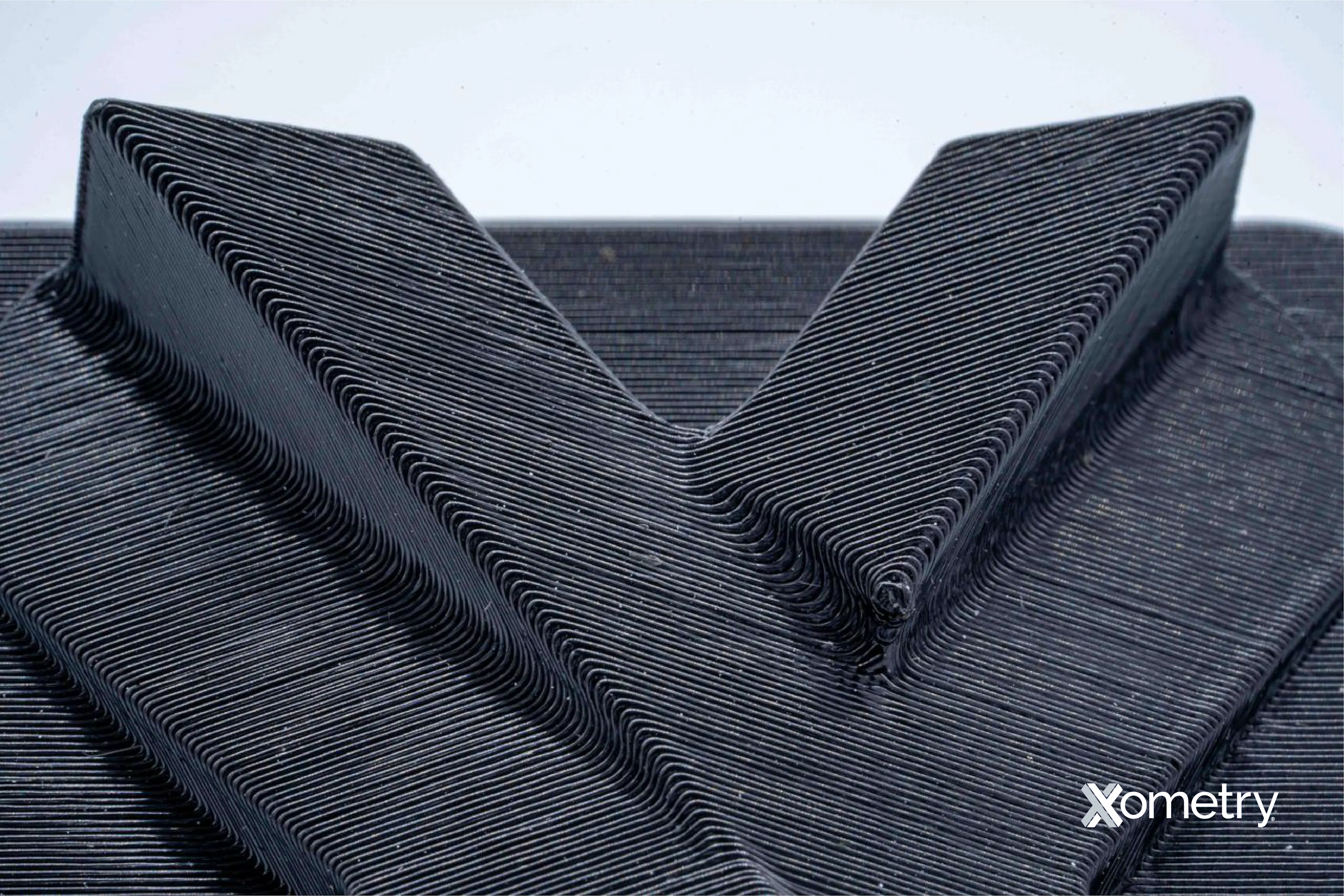
Powder bed fusion in metal 3D printing fuses metal powder particles using a high-energy beam directed by a digital model, producing near-fully dense, structurally sound components when optimized; full density is not guaranteed. A recoater blade spreads each fresh powder layer across the build platform before the energy source traces the cross-section. The two primary variants are selective laser melting, which achieves near-full density by fully melting the powder, and electron beam melting, which operates in a vacuum to reduce oxidation in reactive metals like titanium. PBF systems achieve tolerances as tight as ±0.1 mm and surface roughness values from 5 to 15 µm Ra without post-processing. Aerospace engineers favor the technology for producing topology-optimized brackets, fuel nozzles, and heat exchangers through powder metal 3D printing, forming internal channels impossible to machine conventionally. The broad material compatibility of powder bed fusion (PBF), covering stainless steel, titanium, Inconel, aluminum, and cobalt-chrome, reinforces its position as the dominant metal additive manufacturing process in industrial settings.
Does Powder Bed Fusion Require High-Energy Lasers or Electron Beams?
Yes, powder bed fusion requires either high-energy lasers or electron beams. High-energy lasers or electron beams are required to melt fully or sinter metal powder particles into dense, cohesive structures. Selective Laser Melting uses fiber lasers operating from 200 W to 1,000 W, generating temperatures exceeding the melting point of standard engineering metals. The melt pool temperature significantly exceeds the melting point of the material (often >1,500°C for many alloys); 1,000°C understates actual process temperatures. The energy density must be precisely calibrated to avoid porosity, cracking, or incomplete fusion within each layer. Selective laser sintering (SLS) is primarily used for polymers; metal PBF typically uses full melting (often termed SLM or L-PBF), partially sintered particles, but requires post-processing infiltration to reach full density. The reliance on controlled high-energy sources in powder bed fusion (PBF) directly determines the mechanical properties, density, and dimensional accuracy of finished metal parts.
What Is Directed Energy Deposition in Metal 3D Printing?
Directed energy deposition in metal 3D printing simultaneously delivers a focused energy source and a metal feedstock, either powder or wire, to a localized melt pool on a substrate or existing component. The process builds material incrementally in open space rather than within a powder bed, giving DED machines a larger effective build envelope. Laser-based DED systems process materials including titanium, stainless steel, Inconel, and copper alloys, while electron beam wire-feed variants handle refractory metals for aerospace structures. Deposition rates reach 0.1 kg/hour to over 10 kg/hour depending on the system configuration, enabling economical production of large near-net-shape parts. Post-processing through machining refines the as-deposited surface to meet dimensional tolerances as tight as ±0.25 mm. The repair and cladding capability of direct energy deposition extends the service life of costly components in gas turbines, marine propellers, and industrial molds.
Can Directed Energy Deposition Repair Existing Metal Components?
Yes, directed energy deposition repairs existing metal components by depositing new material directly onto worn, cracked, or eroded surfaces without full part replacement. The process melts fresh feedstock into a metallurgical bond with the base material, restoring the original geometry and mechanical integrity. Repair applications include turbine blade tip restoration, bearing journal rebuilding, and wear-surface cladding on industrial dies and molds. The heat-affected zone remains localized, minimizing microstructural damage to the surrounding material during the repair cycle. DED-repaired aerospace components achieve mechanical properties within 95% to 100% of wrought baseline values when combined with appropriate heat treatment. Repairing high-value components instead of replacing components justifies investment in DED across aviation, oil and gas, and power generation sectors and is an established and growing repair method, but not yet a universal standard across all industries or components.
What Is Binder Jetting in Metal 3D Printing?
Binder Jetting in metal 3D printing selectively deposits a liquid binding agent onto a spread metal powder bed, layer by layer, to create a fragile green part without applying heat during the build phase. Sintering temperature depends on the alloy (typically ~70–90% of melting temperature); values vary widely (e.g., ~1,200–1,400°C for steels, lower for some alloys, higher for others). The absence of a high-energy beam during printing eliminates thermal gradients and residual stress, reducing warpage in complex geometries. Binder Jetting supports a wide range of materials, including 316L stainless steel, 17-4 PH stainless steel, copper, and iron-based alloys. Production throughput exceeds that of laser-based systems because multiple print heads deposit binder across the full powder bed simultaneously. The scalability and throughput of binder jetting make it a strong candidate for high-volume production, but it is not universally the preferred process.
Is Binder Jetting Suitable for High-Volume Metal Part Production?
Yes, binder jetting is suitable for high-volume metal part production. Binder jetting is suitable for high-volume metal part production due to its high throughput, low per-part cost, and absence of support structures across standard geometries. Print speeds reach 10,000 cm³/hour on industrial systems, processing hundreds of small parts per build cycle. The elimination of support structures reduces post-processing labor, a key cost driver in laser-based powder bed systems. Sintering furnaces process entire build boxes of green parts simultaneously, decoupling printing speed from densification throughput. Unit costs drop significantly as build volume increases because the binder and powder costs remain low relative to laser machine time. Automotive manufacturers producing transmission components, hydraulic valves, and gearbox housings at scale choose binder jetting as one of the leading candidates for high-volume metal AM, but it is not universally the leading process.
What Is Material Extrusion for Metal 3D Printing?
Material extrusion for metal 3D printing feeds a composite filament, composed of metal powder suspended in a polymer binder, through a heated nozzle that deposits the material layer by layer onto a build platform. The printed green part undergoes catalytic or thermal debinding to remove the binder, followed by sintering at a temperature that depends on the alloy (typically ~70–90% of melting temperature); ranges vary (e.g., ~1,200–1,400°C for steels, lower for copper, different for titanium) to achieve metal density from 96% to 99%. The process uses standard FDM printer architecture, making equipment costs significantly lower than laser or electron beam alternatives. Material options include 316L stainless steel, 17-4 PH stainless steel, tool steel, copper, and titanium filaments available from multiple suppliers. Dimensional accuracy reaches ±0.2 mm to ±0.5 mm after sintering, adequate for functional prototypes, dental components, and low-stress tooling. The low equipment and operational cost of material extrusion for metal has expanded access to metallic additive manufacturing in small workshops, dental clinics, and university research environments.
How do Metal 3D Printing technologies compare to each other?
The comparison of Metal 3D Printing technologies is shown in the table below.
SLM and EBM deliver tight tolerances and strong mechanical properties, establishing a standard for load-bearing aerospace and medical parts. Binder jetting and metal filament extrusion offer the lowest entry costs, serving volume production and accessible prototyping, respectively. DED stands apart through its repair capability, processing parts far larger than any powder bed system can accommodate. Sheet lamination and metal material jetting occupy specialized niches where multi-material capability and extreme precision take precedence over raw throughput.
Which Metal 3D Printing Technology Offers the Highest Precision?
Metal material jetting can achieve high resolution, but it is not consistently the highest-precision metal AM process, and ±0.05 mm is not universally achievable. SLM and DMLS follow closely, reaching ±0.1 mm through tightly focused laser spot sizes from 50 µm to 100 µm. EBM operates at ±0.2 mm due to the wider beam diameter required for effective electron penetration in thick powder layers. Binder jetting introduces additional dimensional variation during sintering shrinkage, commonly 15% to 20%, requiring compensation in the digital model. DED produces the lowest as-built accuracy at ±0.25 mm, relying on CNC machining to achieve final dimensions. Applications demanding fine features, thin walls below 0.3 mm, or tight mating tolerances consistently select SLM, DMLS, or powder bed fusion (PBF) variants as the default precision-first metal additive manufacturing process.
How Do Production Speed and Scalability Differ Across Metal 3D Printing Technologies?
Production speed and scalability differ sharply across metal additive manufacturing technologies, with binder jetting offers among the highest throughput in metal AM, but specific build rates vary widely by system; 10,000 cm³/hour is not a universal or consistently documented benchmark on industrial multi-head systems. SLM and EBM build at 5 cm³/hour to 80 cm³/hour depending on laser power, layer thickness, and part geometry, limiting the throughput advantage to complex, low-volume parts. DED wire-feed systems deposit material at rates exceeding 10 kg/hour, making DED the fastest option for large near-net-shape structural components by mass. Metal filament extrusion operates at speeds comparable to plastic FDM, printing small parts in 2 to 8 hours, before sintering adds 24 to 48 hours of furnace time. Sheet lamination bonds foils at high linear speeds but scales poorly beyond small to medium part sizes. Understanding how speed and volume requirements align with process capability is the first step when evaluating 3d metal printing options for a production program.
What Are 3D Metal Printing Innovations and How Are They Shaping the Future of Manufacturing?
Metal 3D printing innovations are accelerating across multi-laser PBF systems, artificial intelligence-driven process control, and new alloy development tailored specifically for additive manufacturing. Multi-laser systems (e.g., 2–12 lasers) increase build rates, but gains are not perfectly proportional, and maintaining uniform accuracy across the platform is challenging. AI-based defect detection analyzes each powder layer in real time, automatically adjusting laser parameters to eliminate porosity before it propagates through the build.
New aluminum-scandium and high-entropy alloys engineered for PBF achieve tensile strengths exceeding 600 MPa with elongation above 10%, surpassing cast equivalents. Predictive models significantly improve dimensional control, but ±0.1% accuracy is not consistently achievable across all parts and materials, eliminating the iterative trial-and-error historically required for tight-tolerance parts. Cold spray additive manufacturing is emerging as a solid-state deposition alternative, operating below melting temperatures to preserve material properties in copper and titanium. Tracking 3D printing innovations across the domains shows that manufacturing timelines, part costs, and material performance improve simultaneously.
What Are the Advantages of Different Metal 3D Printing Technologies?
The advantages of different metal 3D printing technologies are listed below.
- Selective Laser Melting (SLM/DMLS): SLM produces fully dense parts with tensile strengths matching wrought metal equivalents, achieving tolerances as tight as ±0.1 mm. The process delivers excellent surface finish from 5 µm to 15 µm Ra, reducing post-machining requirements in aerospace and medical components.
- Electron Beam Melting (EBM): EBM preheats the powder bed to temperatures from 700°C to 1,000°C, eliminating residual thermal stress and reducing post-build heat treatment needs. Build speeds reach 80 cm³/hour, making EBM not universally the fastest; multi-laser PBF systems can match or exceed throughput.
- Binder Jetting: Binder jetting prints without support structures across complex geometries, cutting post-processing labor compared to laser-based alternatives. Throughput at 10,000 cm³/hour supports high-volume automotive and consumer part production at low per-unit cost.
- Directed Energy Deposition (DED): DED deposits material directly onto existing components, restoring worn turbine blades, journal bearings, and mold surfaces without full part replacement. Deposition rates from 0.1 kg/hour to over 10 kg/hour enable large structural aerospace frames beyond the reach of powder bed machines.
- Material Extrusion (Metal FFF/FDM): Metal filament extrusion uses the lowest-cost equipment in the metal additive space, with desktop-class machines starting below [$10,000]. Printing may not require inert gas, but sintering typically requires controlled atmospheres.
- Sheet Lamination (UAM): Sheet lamination bonds dissimilar metals, including aluminum-to-copper and steel-to-titanium combinations, in a single build at room-temperature-adjacent conditions. The low thermal input preserves embedded electronics and heat-sensitive components within the metal structure.
What Are 3D Metal Printing Applications Across Different Industries and Production Environments?
The 3D metal printing applications across different industries and production environments are listed below.
- Aerospace: SLM and EBM produce topology-optimized titanium brackets, Inconel fuel nozzles, and heat exchangers with internal lattice structures, reducing part weight by 20% to 60% versus machined equivalents. DED repairs turbine blades and structural frames, extending component service life at a fraction of replacement cost.
- Automotive: Binder jetting manufactures high-volume transmission housings, hydraulic valve bodies, and exhaust components in 316L stainless steel at production throughput matching traditional metal injection molding. SLM produces low-volume motorsport suspension knuckles and custom intake manifolds with complex internal channeling.
- Medical and Dental: EBM and SLM produce patient-specific titanium spinal cages, hip stems, and cranial implants with porous lattice surfaces promoting bone ingrowth at 60% to 80% porosity. Metal extrusion is used in dental workflows, but crowns and bridges are more commonly produced via casting, milling, or PBF.
- Tooling and Mold Making: SLM integrates conformal cooling channels into injection mold inserts, reducing cycle times by 20% to 40% compared to conventionally drilled cooling layouts. DED applies wear-resistant carbide cladding to die surfaces, extending tool life by 3 times to 5 times.
- Energy: DED and SLM produce impellers, nozzle guide vanes, and heat exchanger cores for gas turbines and nuclear reactors in high-temperature Inconel and cobalt-chrome alloys. The ability to address complex 3d metal printing applications in the energy sector reflects the material and geometric flexibility that distinguishes additive from subtractive manufacturing.
Why Is Powder Bed Fusion Widely Used in Industrial Metal 3D Printing?
Powder bed fusion is widely used in industrial metal 3D printing because it offers high accuracy and strong mechanical properties, but it does not universally have the highest in all categories. SLM and DMLS achieve densities of 99.5% to 99.9% of theoretical values, matching wrought material standards required by aerospace and medical certification bodies. The process handles over 30 qualified metal alloys, covering titanium, stainless steel, aluminum, Inconel, cobalt-chrome, and precious metals within the same machine platform. Internal channels, lattice structures, and overhanging features with angles below 45° form without the need for tooling changes or manual repositioning. Aerospace OEMs qualify PBF parts under AS9100 and NADCAP standards, while medical device manufacturers achieve FDA clearance for PBF-produced implants. The combination of geometric freedom and certified mechanical performance makes powder bed fusion (PBF) the default metal additive technology for critical structural and life-critical applications across global industry.
What Makes Binder Jetting Attractive for Cost-Sensitive Applications?
Binder jetting attracts cost-sensitive applications through its low per-part cost, eliminates the need for high-power lasers, and delivers high production throughput compared to fusion-based alternatives. The process does not require inert gas shielding during printing and eliminates a recurring operational expense found in SLM and EBM systems. Support structures are unnecessary in the powder bed environment, eliminating the labor and material cost of support removal and surface repair. Sintering furnaces process full build boxes simultaneously, spreading furnace energy cost across hundreds of parts per cycle. Binder jetting powders can be less expensive than PBF powders, but the percentage difference varies widely and is not universally 20–40%. Production programs that target stainless steel fasteners, automotive brackets, and electronic housings at volumes above 500 parts per month find binder jetting as the economically competitive metal additive manufacturing route available.
How Do I Select the Best Type of 3D Printing?
You can select the best type of 3d printing by following the steps listed below.
- Define the Material Requirements. Identify the alloy family required by the application's mechanical, thermal, or biocompatibility specifications. Titanium and Inconel parts favor PBF or DED, stainless steel suits binder jetting or metal extrusion, and multi-metal assemblies point to Sheet Lamination.
- Assess the Geometric Complexity. Parts with internal channels, lattice structures, or below ~45° typically require support structures in PBF processes like SLM/EBM. Simpler geometries in high quantities align with binder jetting's support-free powder bed environment.
- Determine the Production Volume. Low-volume, one-off, or highly customized parts justify the higher per-part cost of SLM, EBM, or DED. High-volume repeat production of small parts aligns with binder jetting's throughput advantage.
- Set the Tolerance and Surface Finish Requirements. Applications requiring tolerances tighter than ±0.1 mm or surface roughness below 5 µm Ra need SLM, DMLS, or metal material jetting. Functional prototypes and low-stress tooling accept the ±0.3 mm to ±0.5 mm range delivered by binder jetting and metal extrusion.
- Evaluate the Total Budget. Equipment investment ranges from [$8,000] for metal FDM printers to over [$1,000,000] for multi-laser SLM systems. Service bureau pricing ranges from [$10] to [$500] per part depending on size, complexity, and process.
- Check Certification Requirements. AS9100 is a quality management system; NADCAP accredits special processes; FDA clears specific medical devices—not the AM process itself, limiting viable options to certified SLM, EBM, or DED workflows. Non-critical industrial parts carry no such restrictions, broadening the process selection.
Matching the six criteria to available process capabilities produces a defensible, cost-effective technology selection aligned with performance and production economics.
What Are the Best Metal 3D Printers for Industrial and Professional Use Cases?
The best metal 3d printers for industrial and professional use cases are listed below.
- EOS M 300-4: A four-laser SLM system processing aluminum, titanium, stainless steel, and Inconel at build volumes of 300 mm × 300 mm × 400 mm. The system achieves ±0.1 mm tolerances and qualifies for aerospace and medical part production under NADCAP and AS9100 standards.
- Trumpf TruPrint 5000: A three-laser DMLS machine with a 300 mm diameter cylindrical build chamber and a preheating system reaching 500°C for crack-sensitive nickel superalloys. The platform suits turbine component production in aviation and power generation environments.
- Arcam EBM Spectra H: An electron beam system purpose-built for titanium and high-gamma-prime nickel alloys, operating in a vacuum environment that eliminates oxidation at build temperatures above 1,000°C. Orthopedic implant manufacturers use the system for FDA-cleared porous titanium hip and knee components.
- Desktop Metal Production System P-1: Binder jetting offers high throughput, but such figures vary widely and are not standardized per “printhead pass.” The system targets automotive and consumer product manufacturers needing the best metal 3D printers capable of serial production volumes.
- Markforged Metal X: A metal filament extrusion system processing 17-4 PH stainless steel, Inconel 625, copper, and tool steel in an office-safe, powder-free environment. The system delivers sintered parts with densities above 96% at equipment costs below [$100,000].
- DED Optomec LENS 860: A blown-powder DED system with a build envelope of 860 mm × 600 mm × 610 mm, processing titanium, stainless steel, and Inconel for large structural aerospace and repair applications.
How Does Material Selection Affect the Choice of Metal 3D Printing Technology?
The material selection affects the choice of metal 3D printing technology by imposing specific constraints on alloy chemistry, powder morphology, and thermal behavior that determine which process is technically feasible. Titanium alloys (Ti-6Al-4V) require either PBF in an inert argon atmosphere or EBM in a vacuum to prevent oxidation at processing temperatures above 1,650°C. Reactive aluminum alloys demand finely atomized spherical powder with particle sizes from 15 µm to 45 µm for reliable SLM processing, excluding coarser binder jetting powder grades. Copper's high thermal conductivity causes inconsistent melt pool behavior in standard SLM, requiring green laser sources or binder jetting as the preferred deposition route. High-temperature nickel superalloys prone to solidification cracking favor EBM's elevated preheat environment over room-temperature SLM. Matching alloy properties, including melting point, thermal conductivity, oxidation sensitivity, and sintering behavior, to process parameters is the foundational step before any type of 3D metal printing technology selection proceeds.
How Does Part Complexity Influence the Best Metal 3D Printing Technology?
Part complexity influences the best metal 3D printing technology through the varying capability levels each process brings to overhangs, internal features, thin walls, and multi-material requirements. SLM and EBM excel at extreme geometric complexity, producing internal cooling channels as narrow as 0.5 mm, lattice infills at 0.3 mm strut diameter, and overhanging surfaces at angles below 30° with appropriate support structures. Binder jetting handles moderate complexity without support structures in the powder bed, but sintering shrinkage of 15% to 20% limits the achievable tolerance on intricate features. DED builds large, low-complexity near-net shapes efficiently but lacks the resolution for features below 1 mm without a secondary machining operation. Metal filament extrusion produces moderate geometric complexity at low cost, with minimum wall thicknesses from 0.8 mm to 1.2 mm depending on nozzle diameter. Parts combining mechanical complexity with tight tolerances and certified mechanical properties consistently point to powder bed fusion (PBF) as the technically superior metal additive manufacturing choice.
Can One Metal 3D Printer Handle Multiple Metal 3D Printing Technologies?
Most machines are dedicated to a single technology, but hybrid or multi-process systems exist in limited forms. Each metal 3D printing technology relies on a fundamentally different physical mechanism, energy source, and material delivery system, making a single metal 3D printer incapable of handling multiple processes. SLM machines melt powder with a fiber laser, EBM uses an electron gun in a vacuum, and DED combines a laser or beam with a live powder feed, requiring entirely separate hardware architectures. Binder jetting print heads deposit liquid binder incompatible with the optical systems and inert-gas chambers of fusion-based platforms. A minority of hybrid machines combine DED deposition with CNC milling in a single enclosure, enabling additive and subtractive operations on one platform but not two distinct additive technologies. Selecting the right process for a given application remains a discrete decision rather than a configurable setting on a universal machine. Manufacturers requiring multiple metal additive processes invest in separate dedicated systems or outsource to service bureaus offering access to the full range of types of 3D metal printing technologies under one roof.
Summary
Xometry provides a wide range of manufacturing capabilities, including metal 3D printing for all of your prototyping and production needs. Get your instant quote on metal 3D printing and more today.
Copyright and Trademark Notices
- Inconel® is a registered trademark of Huntington Alloys division of Special Metals Corp., Huntington, WV.
- Hastelloy® s a registered trademark of Haynes International, Kokomo, Indiana.
Disclaimer
The content appearing on this webpage is for informational purposes only. Xometry makes no representation or warranty of any kind, be it expressed or implied, as to the accuracy, completeness, or validity of the information. Any performance parameters, geometric tolerances, specific design features, quality and types of materials, or processes should not be inferred to represent what will be delivered by third-party suppliers or manufacturers through Xometry’s network. Buyers seeking quotes for parts are responsible for defining the specific requirements for those parts. Please refer to our terms and conditions for more information.